The Black Mamba
Among the many custom features of the Black Mamba, the hood system stands apart as one of the most distinctive. What began as a poorly fitting fiberglass Eleanor hood ultimately became one of the car's most dramatic and technically interesting features.
The hood originally arrived from Unique Performance in dreadful condition, with chipped corners and poor fitment. Henry's was nevertheless able to transform it into a true work of hot rod art.
By this stage of the build, the engine was no longer sitting in a stock unibody. Mounted on the Art Morrison chassis, the engine sat more than two inches higher than it would have in the original Mustang structure. That immediately created a problem: the original hood could not accommodate the increased engine height or clear the dual Demon carburetors.
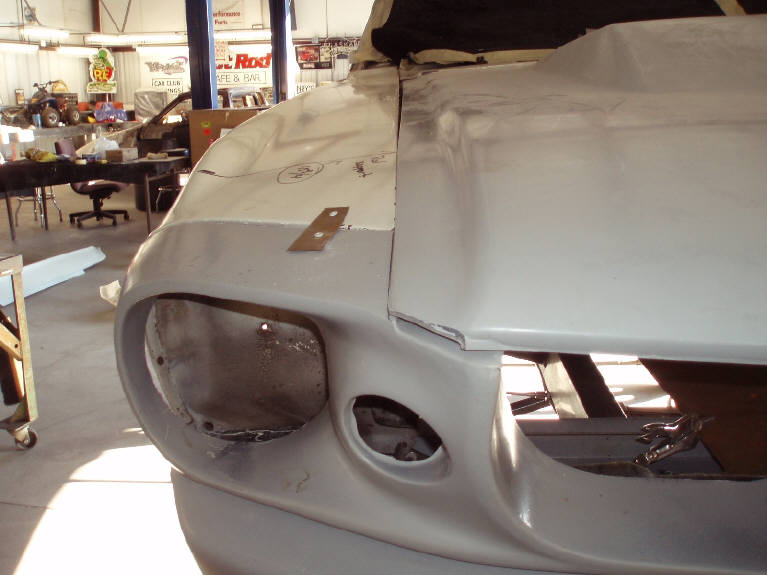
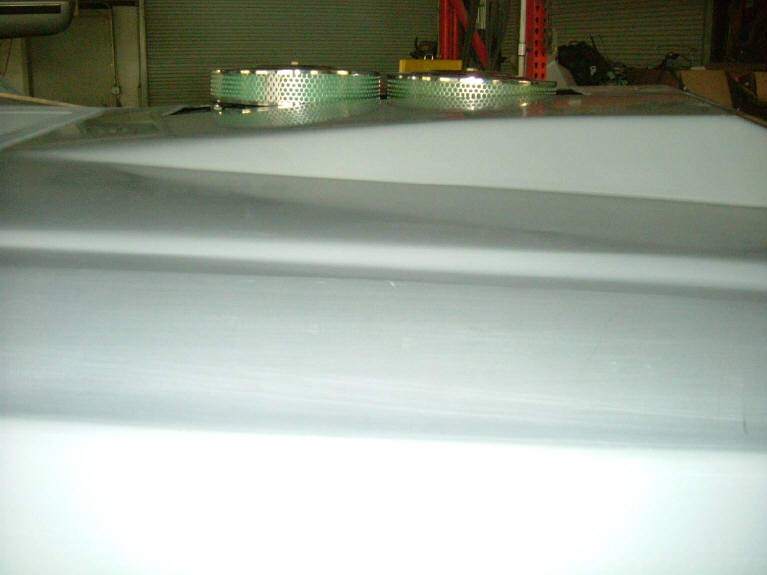
To solve the clearance issue, Ron Pepper restructured the entire scoop and created a two-inch cowl opening at the rear of the hood. This allowed the carburetors to be housed properly while also improving heat dissipation.
At the same time, the hood itself was lengthened by two inches to give the front of the car a more threatening appearance and reinforce the longer, more aggressive proportions of the Black Mamba.
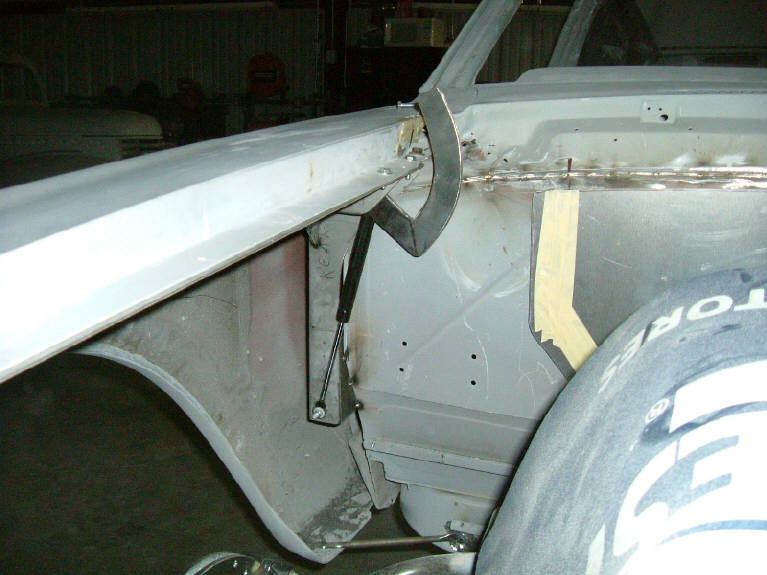
Ron Pepper also fabricated custom hood hinges and release pins to allow the hood to pivot open from the passenger side while hiding all of the hardware beneath the inner fender panel.
This eliminated the need for conventional hood springs, exposed hinges, and prop rods. It also allowed the fiberglass hood to pivot on a much stronger axis, reducing stress and minimizing the risk of cracking.
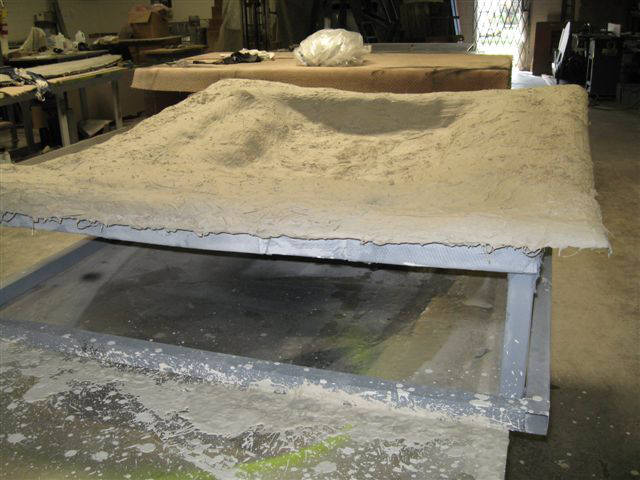
Once the hood was completed and properly fitted, it was sent to Joe Albertelli at Advanced Composites Engineering in Temecula, California for carbon-fiber construction.
Joe and his crew used the completed fiberglass hood as a prototype and reproduced the entire hood in carbon fiber. The result was a dramatic improvement in both strength and weight. Once complete, the hood had lost a total of 43 pounds while gaining exceptional rigidity.
Progressive Automations provided the hardware required to activate the carbon-fiber hood to open and close on demand. This included synchronized PA-09 linear actuators customized with hall effect sensors, BRK-09 mounting brackets modified by Ron Pepper, and a PA-40 dual-channel hall effect sensor wireless control box for remote activation.
The completed system is more than just a clever convenience feature. It is one of the clearest examples of the Black Mamba's overall philosophy: solve a functional problem, improve the presentation, and execute the answer as beautifully as possible.