The Black Mamba
As the structural fabrication phase progressed, attention turned to reshaping the car's overall proportions and visual character. This is where the Black Mamba began to separate itself not only from a stock Mustang, but also from the original Eleanor-inspired concept that first set the project in motion.
One of the most significant design changes involved extending the front of the car by approximately four inches through hood and front-end modifications. A Shelby-style hood served as the starting point, but the final objective was to create a longer, lower, and more aggressive appearance.
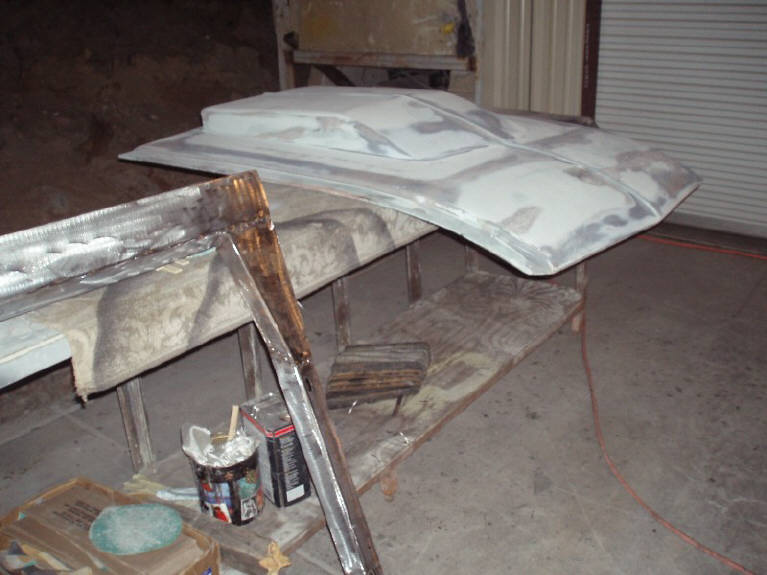
Achieving this required substantial reshaping of the front structure. The headlight buckets were reworked and repositioned to accommodate the new proportions, requiring extensive metalwork and careful alignment to maintain proper fit and visual flow.
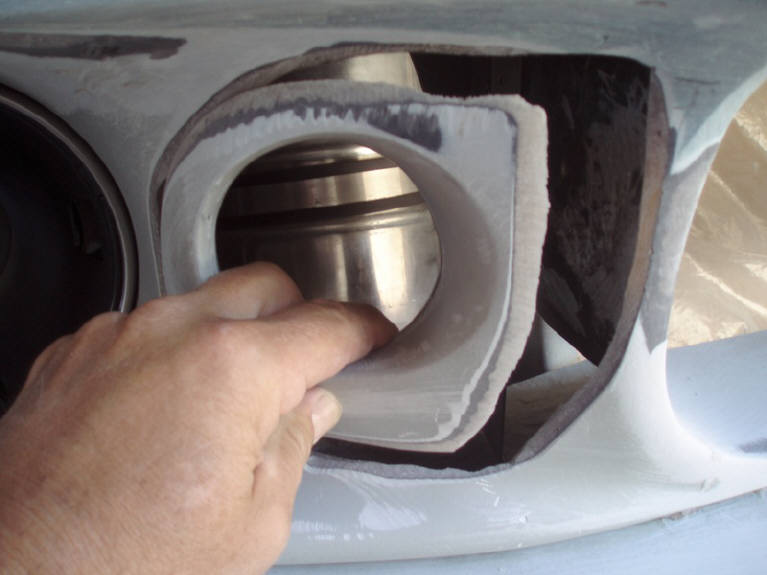
The body modifications extended beyond the front end. The integration of the body kit required precise fitting and reworking of multiple panels to ensure a cohesive design. These components were not simply installed - they were shaped, aligned, and blended into the car as part of a unified design approach.
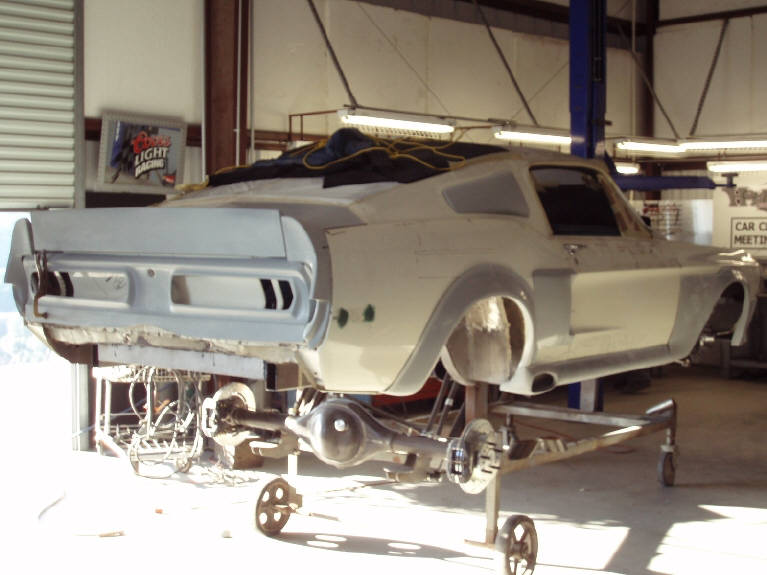
These changes were developed in conjunction with the chassis integration and body channeling, ensuring that the final proportions of the car remained balanced and functional. The result is a silhouette that appears longer, lower, and more refined than a stock Mustang.
What makes these modifications particularly effective is that they are not immediately obvious to the casual observer. Instead, they subtly alter the car's proportions, giving the Black Mamba a distinctive and unmistakable presence.
This phase of the build represents the transition from modification to design - where the car was no longer simply being altered, but intentionally shaped into a cohesive and unique identity.