The Black Mamba
The Black Mamba began as a 1968 Mustang fastback, but from the outset the goal was never to perform a traditional restoration. The intent was to create something far more distinctive - a car that would combine aggressive stance, modern engineering, and handcrafted detail into a single, unified design.
Our family has always had a strong appreciation for 1960s muscle cars that we enjoy driving and showing, but my wife did not have a car of her own. Since she liked the lines of the Eleanor Mustang, we decided that a 1967 or 1968 fastback would be the right place to start.
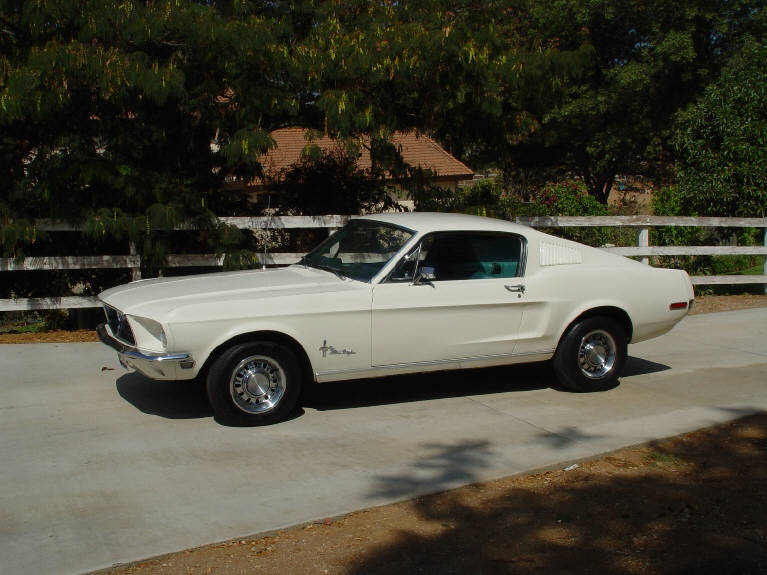
After searching, we located a 1968 fastback in Southern California being driven by an 18-year-old high school senior who was reluctantly selling it to help support his future college education. We liked what we saw, purchased the car, and drove it home to Sacramento.
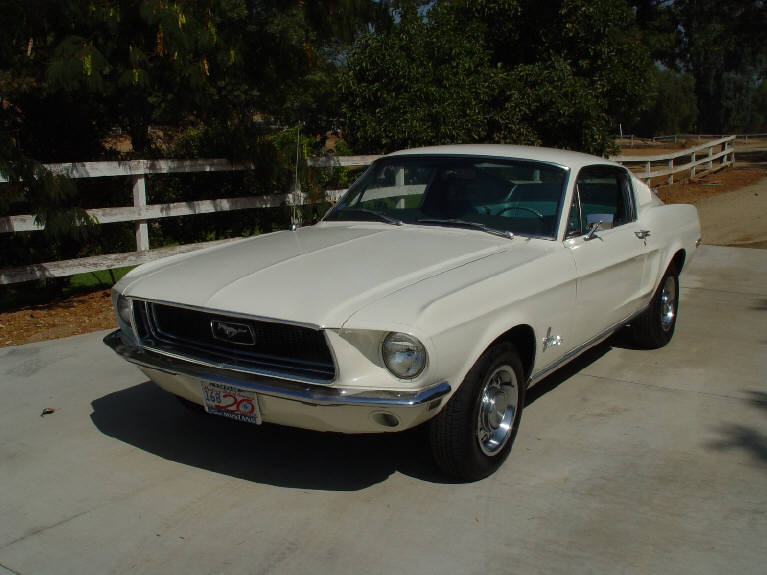
At first glance, the car looked like a solid candidate for the project. It had the shape we wanted and appeared to be the right foundation for what we thought would become an Eleanor-inspired build for Laura.
We immediately contacted our old friend Tom Lucas at FE Specialties. He had worked on our daughter's S-code 1967 Mustang, and we wanted him to build an engine for this car that would make it unique while staying true to the original Shelby era and school of thought.
Our guidance to Tom was simple: build the engine as if it were your own. Tom responded by going back to Carroll Shelby's roots and creating an FE-based powerplant that would set the tone for the entire project.
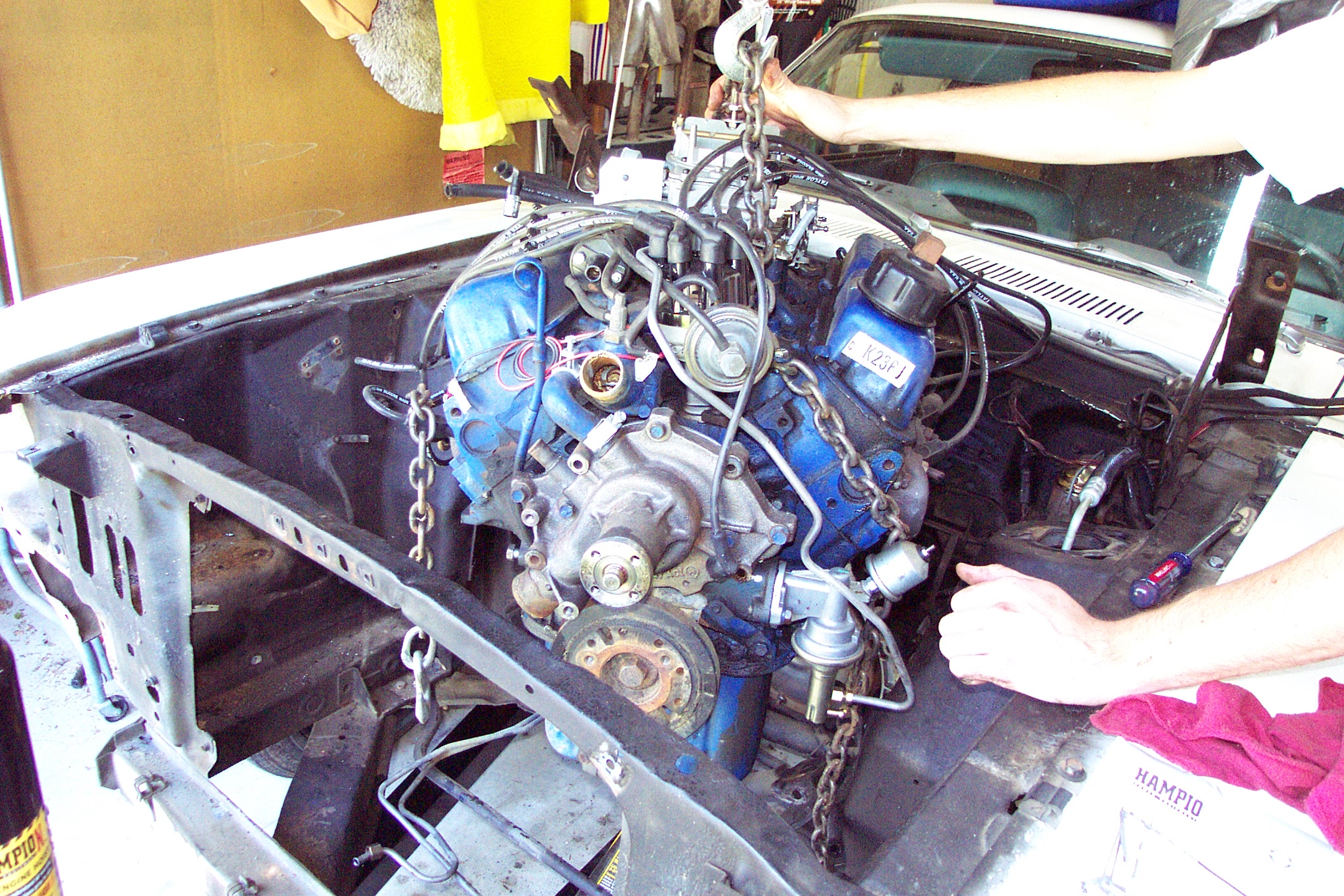
Over the next few months we completely disassembled the Mustang down to a rolling chassis and began removing the undercoating. The car had spent time in the Midwest and had fortunately been treated with Tuff-Kote Dinol, a black rust-proofing material that probably saved its life.
Unfortunately, that same material also concealed previous structural repairs. Once the coating was removed, it became clear that the front structure had been cut, welded, and partially replaced from the cowl forward. With the level of horsepower planned for the car, compromised frame rails were not something we were willing to build around.
At that point we turned to David Henry at Henry's Hot Rods in Shingle Springs, California. After listening carefully to our goals, Dave made a recommendation that completely changed the direction of the build: rather than trying to strengthen the original Mustang unibody, the car should be built around an Art Morrison Max-G chassis.
This was not a minor adjustment. It was a complete shift in philosophy. Instead of modifying a Mustang platform, the Black Mamba would become a fully integrated build engineered from the ground up to handle the power, stance, and design goals we had envisioned.
From that point forward, every aspect of the car was approached as part of a complete system. The chassis, suspension, braking, bodywork, paint, and drivetrain were all developed to work together rather than as a collection of separate upgrades.
What began as an Eleanor-inspired fastback project gradually evolved into something far more ambitious - a car with its own identity, shaped by engineering, craftsmanship, and execution. That identity would eventually become known as the Black Mamba.