The Black Mamba
Once the Mustang body was separated from the original unibody and positioned onto the Art Morrison Max-G chassis, the real work began. At this stage, the car was no longer a restoration or modification - it was a full structural reconstruction.
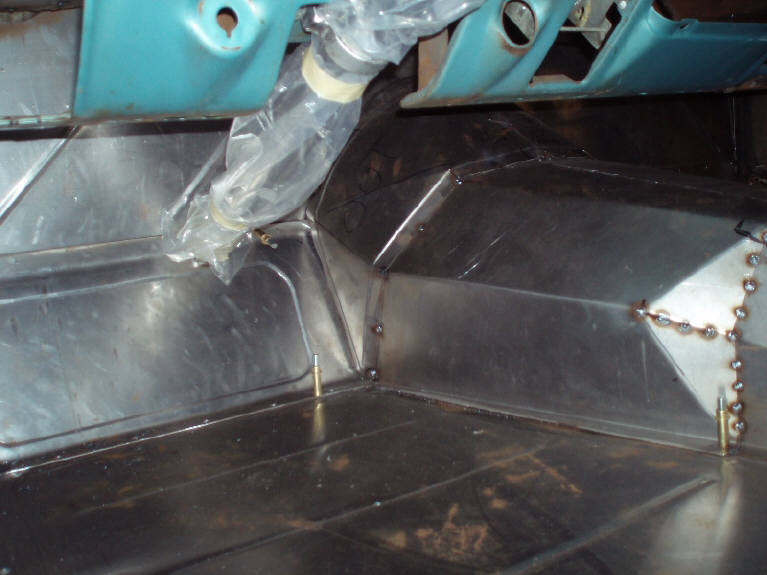
Every major component of the original unibody structure had to be re-engineered to integrate with the new chassis. Floor pans, transmission tunnel, inner structure, and mounting points were all fabricated from scratch to match the geometry and performance requirements of the Morrison frame.
During the integration process, Dave Henry and Ron Pepper detailed the alignment and fitment work necessary to marry the Mustang body to the Morrison frame. This phase required precise positioning of the body over the chassis to ensure proper suspension geometry, driveline alignment, and overall structural integrity.
The body was channeled approximately four inches over the frame, a modification that contributed significantly to the car's aggressive stance and low center of gravity while maintaining proper suspension geometry.
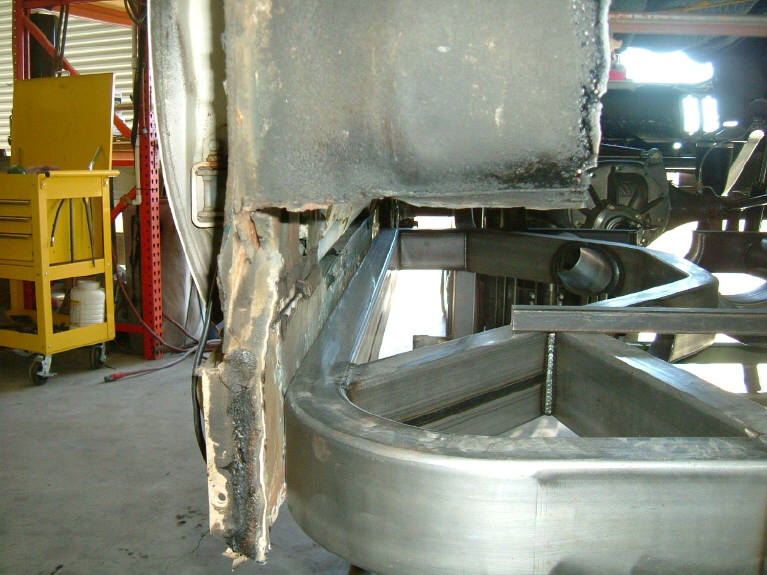
With the body positioned and secured, all structural sheet metal work was fabricated to suit the new chassis configuration. This included completely new floor sections, a custom transmission tunnel, and reinforcement structures tying the body into the frame.
These were not replacement panels - they were entirely custom-built components designed to accommodate the drivetrain, suspension geometry, and overall layout of the car.
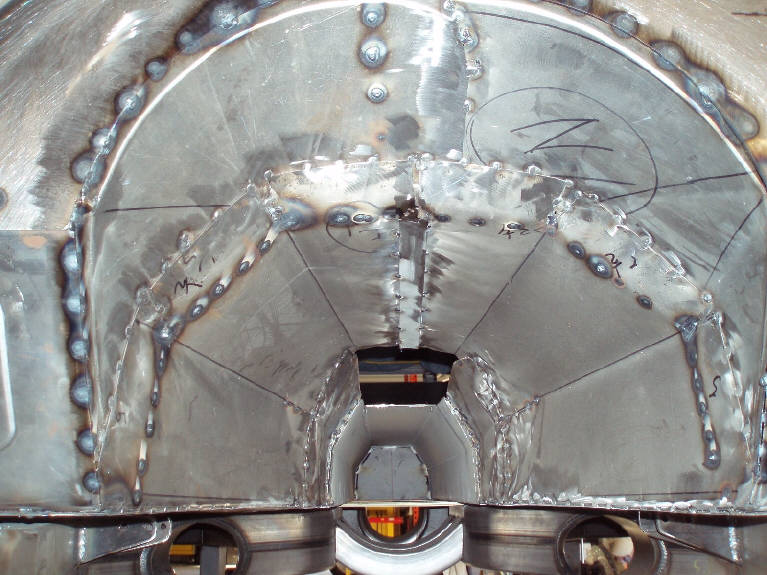
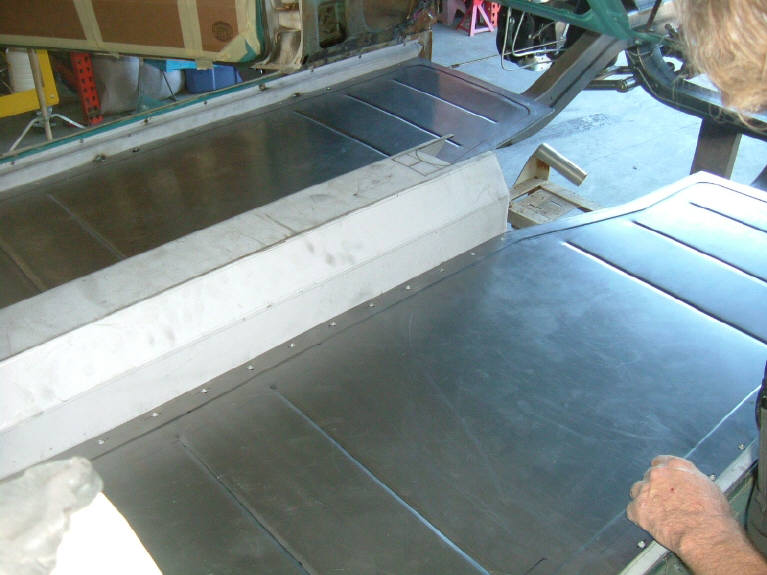
Every aspect of the fabrication process prioritized structural integrity and performance over convenience or aesthetics. The goal was not to adapt the chassis to the body, but to engineer both systems to function as a unified structure.
This approach ensured that even at extreme ride heights, suspension geometry remains correct, body alignment remains true, and the car performs as intended without compromise.
The fabrication phase also set the stage for the more visible body modifications that followed. The body was not only channeled over the chassis, but later stretched to achieve the final proportions of the car.
The stretch was focused in the hood and front-end geometry, where the Shelby-style hood was extended and the headlight buckets reshaped to create a more aggressive, forward-leaning profile.